Shabby Rose Chic Junk Journal Papers: A Practical Evaluation
In the realm of digital scrapbooking and mixed-media journaling, the aesthetic foundation of a project often dictates its emotional resonance. The Shabby Rose Chic Junk Journal Papers pack represents a specific niche within this creative landscape, catering to those who favor soft florals, vintage textures, and romantic cottagecore themes. For professionals and hobbyists alike, selecting the right background assets is not merely about decoration; it is about establishing a cohesive visual language that supports storytelling. This collection offers 100 high-resolution JPG pages designed to replicate the tactile feel of aged paper, lace, and faded botanicals, providing a substantial resource for both print and digital workflows.
Aesthetic Consistency and Design Philosophy
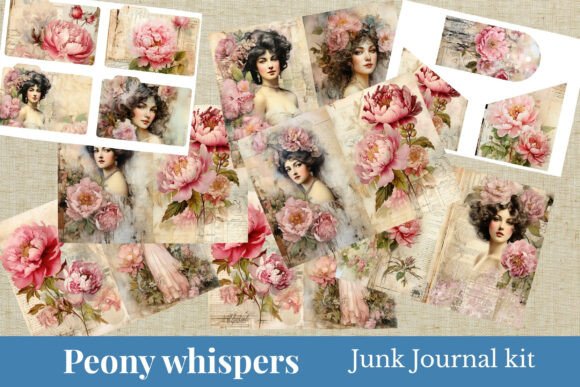
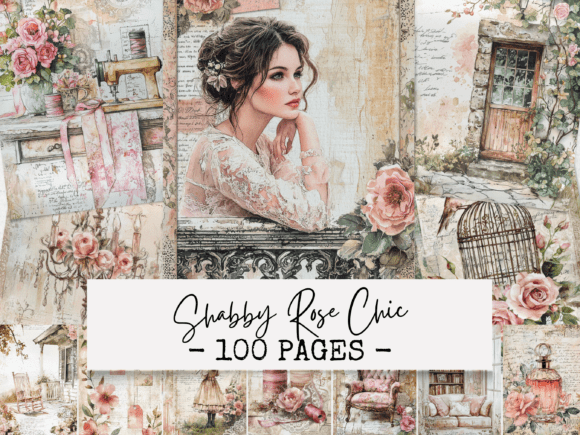
The primary value proposition of the Shabby Rose Chic Junk Journal Papers lies in its adherence to a strict, recognizable design philosophy. Unlike random assortments of patterns that can lead to visual dissonance, this pack maintains a gentle color palette dominated by muted pinks, creams, and sepia tones. This consistency is crucial for creators building extensive projects, such as memory books or planners, where page-to-page flow matters. The imagery draws heavily from vintage roses, delicate lace textures, and the worn elegance of cottage interiors.
From a practical standpoint, the "shabby chic" aesthetic relies on the illusion of age and history. These papers achieve this through digital distressing techniques that mimic ink bleed, water stains, and fabric wear. When used in a junk journal, these elements provide depth without requiring physical manipulation of materials. For a digital planner user, the softness of the background ensures that text remains legible while still contributing to the overall mood. The design avoids the harsh contrasts often found in modern stationery, opting instead for a warm, feminine, and timeless feel that appeals to a broad demographic seeking nostalgia.
Technical Specifications and Usability
Evaluating the technical quality of digital assets is essential for ensuring they perform well in real-world applications. The Shabby Rose Chic Junk Journal Papers are delivered as high-quality JPG files, a format chosen for its universal compatibility across various software platforms. Whether a user is working in Adobe Photoshop, Canva, Procreate, or Microsoft Word, the file structure supports immediate integration without the need for complex conversion tools.
The resolution of these images is a critical factor. High-resolution files ensure that when printed, the details of the lace textures and floral motifs remain crisp rather than pixelated. This is particularly important for users who intend to create physical junk journals. Printing 100 unique pages allows for the creation of multiple small books or a single large-volume archive. For digital-only users, the clarity ensures that the papers look professional on screens ranging from mobile devices to large monitors. The instant download nature of the product streamlines the workflow, eliminating shipping delays and allowing creators to begin their projects immediately.
However, the use of JPG format does present a minor limitation compared to layered PSD files. Users cannot easily separate the texture layer from the background pattern if they wish to manipulate them independently. For most standard journaling tasks, this is not an issue, but advanced graphic designers seeking granular control over individual elements may find the flat image format slightly restrictive. Despite this, the sheer volume of 100 distinct pages often outweighs the need for deep layer editing for the average creator.
Application in Creative Workflows
The versatility of the Shabby Rose Chic Junk Journal Papers extends across several creative disciplines. In the context of junk journals, these papers serve as the structural backbone. They layer beautifully with ephemera—such as ticket stubs, pressed flowers, or handwritten notes—creating a rich, multi-dimensional surface. The textured backgrounds help to ground lighter elements, preventing the final composition from feeling flat or washed out.
For scrapbookers and memory book enthusiasts, the romantic theme provides an ideal backdrop for documenting life milestones like weddings, engagements, or family heritage. The vintage rose motifs evoke a sense of tradition and sentimentality, making them particularly effective for preserving personal histories. The neutral undertones in the palette also mean these papers do not clash with photographs, allowing the actual memories to take center stage while the paper adds atmosphere.
Planners and organizers also benefit from this collection. The soft, non-distracting patterns make excellent covers or divider pages for bullet journals and digital calendars. The "cottagecore" aesthetic has gained significant traction among professionals and entrepreneurs looking to infuse a sense of calm and order into their productivity tools. Using these papers can transform a functional document into a personalized workspace that encourages engagement and reduces visual fatigue.
Target Audience and Project Suitability
This resource is best suited for adults aged 20–50 who have a clear vision for their creative output. It appeals specifically to shabby chic lovers, romantic journalers, and those immersed in the cottagecore lifestyle. Small business owners selling handmade cards or printable planners will find the 100-page count sufficient to produce a variety of products without repetitive designs. Bloggers and content creators in the DIY or lifestyle sectors can utilize these papers to enhance their visual storytelling, creating cohesive headers, sidebars, or social media graphics that align with their brand identity.
Freelancers and educators might also find utility in these assets. An educator creating a themed unit study on botany or history could use the vintage aesthetics to set a period-appropriate tone. Similarly, a freelance designer assembling a proposal deck for a wedding planning client could leverage the romantic elements to demonstrate an understanding of the client's desired style. The professional quality of the images ensures that the work presented looks polished and intentional.
Long-Term Value and Limitations
When considering long-term value, the cost-per-use ratio of the Shabby Rose Chic Junk Journal Papers is favorable. With 100 unique pages, a single purchase can support dozens of distinct projects over several years. The digital nature of the product means there is no risk of physical degradation; the files remain pristine until the moment of printing or digital application. This reliability makes it a sustainable choice for creators who prefer to build a permanent library of resources.
However, potential buyers should be aware of the thematic constraints. Because the collection is strictly focused on the shabby chic and romantic aesthetic, it may not fit projects requiring a modern, minimalist, or industrial look. The soft florals and lace textures are deliberate stylistic choices that define the mood. If a project requires high-contrast, bold colors, or geometric precision, this pack would be inappropriate. Furthermore, since no physical item is sent, users must have access to a printer capable of handling the desired paper weight and finish to fully realize the intended tactile experience.
Conclusion on Utility and Fit
The Shabby Rose Chic Junk Journal Papers offer a robust solution for creators seeking to implement a specific, nostalgic aesthetic into their work. By combining high-resolution imagery with a cohesive design language, the pack addresses the common challenge of finding matching backgrounds for complex mixed-media projects. While the JPG format limits deep layer manipulation, the breadth of the collection compensates by offering a wide array of ready-to-use options. For professionals, entrepreneurs, and serious hobbyists dedicated to the romantic, vintage, or cottagecore styles, this resource provides the necessary foundation to elevate their journals, planners, and crafts from simple documents to curated works of art. Its practicality, combined with its strong visual identity, makes it a valuable addition to any digital creative toolkit.