Watercolor Western Ranch Clipart
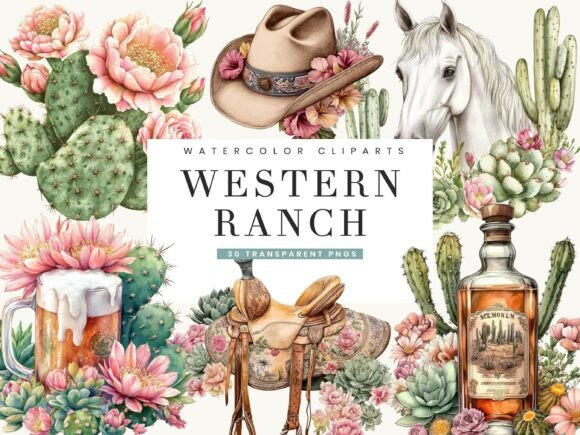
There is a distinct warmth to the aesthetic of the American West that digital vectors often struggle to capture. It lives in the weathered texture of a wooden fence, the soft blur of a sunset over rolling hills, and the worn leather of a cowboy boot. This is where Watercolor Western Ranch Clipart finds its true home. Unlike rigid, geometric illustrations, watercolor art brings an organic, hand-painted soul to design projects. When you select a bundle like the 30-piece HD collection featuring these rustic tones, you are choosing more than just images; you are selecting a specific mood that resonates with nostalgia, adventure, and the quiet beauty of rural life.
The Artistic Personality of Rustic Watercolors
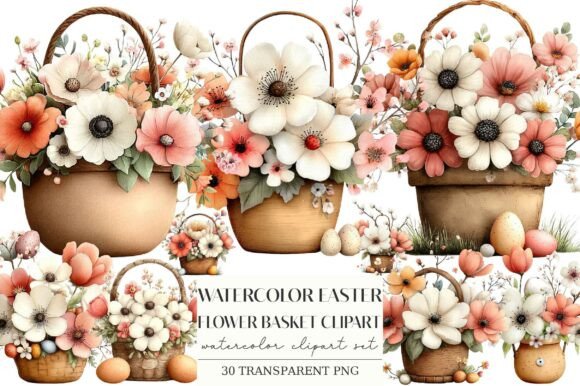
What sets this style apart is its inherent imperfection. The visual characteristics of high-quality watercolor clipart rely on pigment bleeding into paper textures, creating soft edges and subtle color gradients that feel alive. In the context of western themes, this translates beautifully. Think of a lasso where the rope isn't a perfect line but a fluid stroke of ochre and brown, or a barn where the red paint looks faded by the sun. These elements carry a personality that is cozy, authentic, and inviting.
For designers and crafters, this style bridges the gap between modern digital convenience and traditional artistic expression. The "hand-painted" look suggests effort and care, which subconsciously signals quality to your audience. Whether you are working on a scrapbook page or a brand identity for a boutique winery, these illustrations add a layer of tactile depth that flat graphics simply cannot achieve. The warm, earthy palette—ranging from dusty terracottas to sage greens and deep browns—creates a cohesive visual language that feels grounded and reliable.
Strategic Applications Across Media
The versatility of Watercolor Western Ranch Clipart extends far beyond simple decoration. Because these assets are typically delivered as transparent PNG files at 300 DPI, they are robust enough for both screen and print environments. Here is how different creative professionals can leverage them effectively:
- Editorial Design and Publishing: In magazines, cookbooks, or children's books about ranch life, these images serve as excellent chapter headers or margin illustrations. They break up dense text without overwhelming the reader, offering a visual pause that fits the narrative tone.
- Packaging Design: For small businesses selling handmade soaps, local honey, or artisanal jerky, a watercolor horse or cactus on a label instantly communicates "natural" and "handcrafted." It elevates the product from a commodity to a story-driven item.
- Web Design and Social Media Graphics: On digital platforms, where attention spans are short, these images provide immediate context. A blog post about sustainable farming or a social media campaign for a country wedding benefits greatly from the instant recognition of western iconography rendered in a soft, approachable style.
- Physical Crafts and Stationery: Junk journaling, card making, and planner stickers thrive on variety. The ability to print these HD files onto sticker paper or cardstock allows hobbyists to create custom layouts that feel personal and unique.
Visual Hierarchy and Brand Perception
In any design project, the choice of imagery dictates how the audience perceives the message. While typography handles the information hierarchy, clipart establishes the emotional hierarchy. Using a crisp, modern sans serif font alongside a rough, watercolor western illustration creates a dynamic tension that keeps the viewer engaged. The softness of the watercolor prevents the design from feeling too corporate or sterile.
When building a brand identity, consistency is key. If your brand voice is friendly, down-to-earth, and rooted in tradition, then Watercolor Western Ranch Clipart reinforces that message visually. It tells the customer that you value authenticity over polish. Conversely, using these assets in a high-tech or futuristic context would likely create cognitive dissonance, confusing the audience about what your brand stands for. Therefore, evaluating the fit is crucial. Ask yourself: Does the softness of the watercolor align with the strength of my message? In most cases involving lifestyle, hospitality, or heritage brands, the answer is a resounding yes.
Evaluating Quality and Project Fit
Not all digital downloads are created equal. When sourcing design assets, resolution is non-negotiable for professional work. A bundle boasting 300 DPI ensures that when you scale an image for a large poster or a T-shirt via sublimation, the details remain sharp rather than pixelated. This is particularly important for intricate elements like the stitching on a pair of boots or the brim of a hat.
Furthermore, consider the format. Transparent PNGs allow you to layer these illustrations over photographs, textured backgrounds, or bold typography without awkward white boxes interfering with the composition. Before committing to a specific set, review the included styles. Do the colors match your existing palette? Is the level of detail appropriate for your medium? For instance, a highly detailed watercolor might lose impact if used as a tiny favicon, whereas it would shine as a central element on a greeting card.
Licensing is another practical consideration. Ensure the license covers your intended use, whether it's for personal scrapbooking or commercial products like mugs and apparel. A reputable bundle will clearly state these terms, giving you the peace of mind to sell your creations without legal ambiguity.
Pairing Typography with Western Imagery
To maximize the impact of your Watercolor Western Ranch Clipart, thoughtful font pairing is essential. The organic nature of watercolor pairs exceptionally well with fonts that mimic handwriting or have a rustic, distressed feel. A handwritten script font can echo the brushstrokes of the clipart, creating a unified, artisanal look. Alternatively, a strong slab serif font can provide a sturdy foundation, grounding the airy, fluid nature of the watercolor elements.
Avoid overly modern, geometric sans serif fonts unless you are aiming for a deliberate contrast. The goal is harmony. Imagine a wedding invitation where the RSVP date is written in a delicate script, flanked by two watercolor horses grazing in the background. The combination feels intentional and elegant. By treating the clipart not just as a decoration but as a core component of your typographic layout, you elevate the entire design. This approach demonstrates a sophisticated understanding of visual communication, proving that even simple elements can convey complex emotions when used with skill.